 Breathi
Zen contains five plants: Mullein Leaf Extract 10:1, Ginger Root Extract, Bromelain Powder, Organic Lemon Extract and Organic Cordyceps militaris. All five are named on the label inside a 154 mg daily blend. The label does not print a separate milligram figure for each plant.
The five plants
The research-depth bar on each card is our own honest ranking of how much published human research exists on that plant. It is not a claim about what the plant does in this bottle, and we would rather give you a number you can argue with than a paragraph of adjectives.
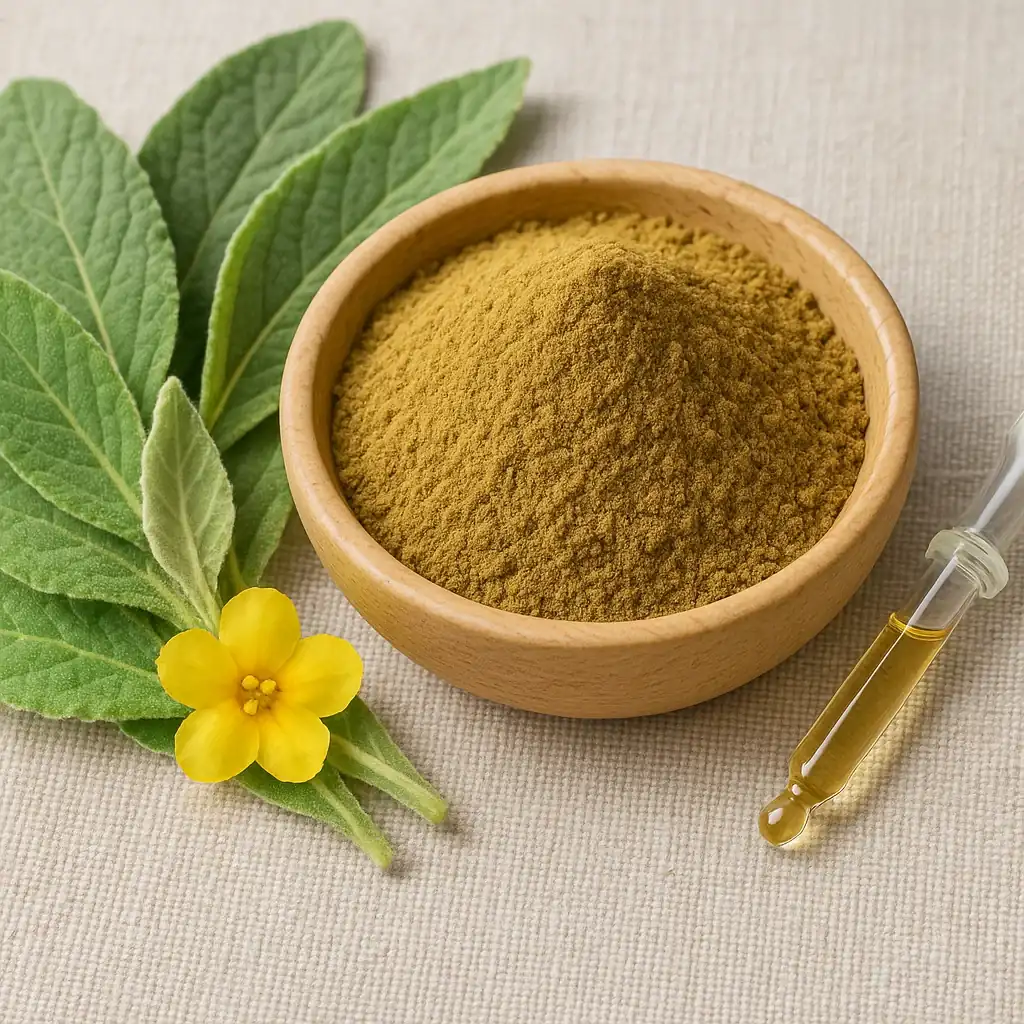 Plant 1 of 5
Mullein Leaf Extract 10:1
Verbascum thapsus
The plant European herbalists have reached for longest when the chest feels tight. Concentrated ten parts to one before it enters the bottle.
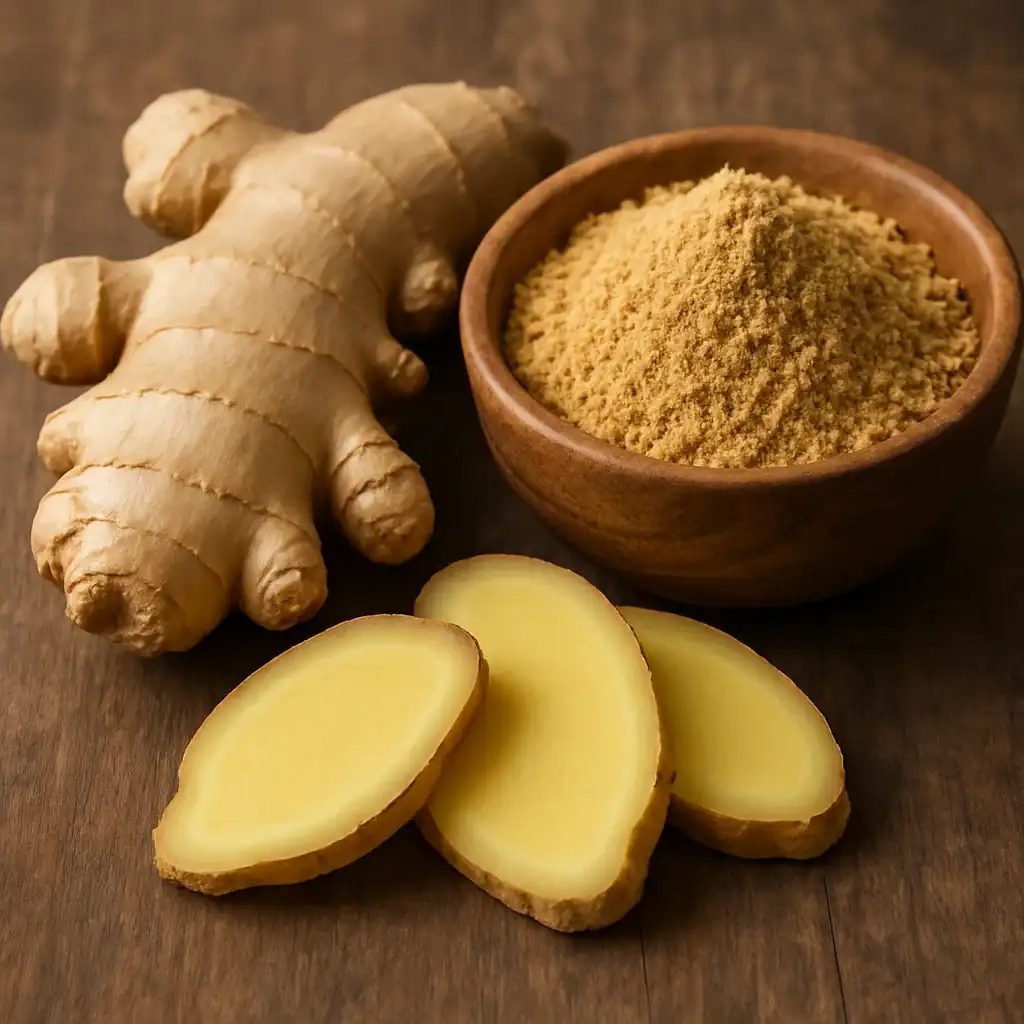 Plant 2 of 5
Ginger Root Extract
Zingiber officinale
The kitchen root with the deepest modern research file of the five — over a hundred controlled trials, strongest for nausea at gram-level doses.
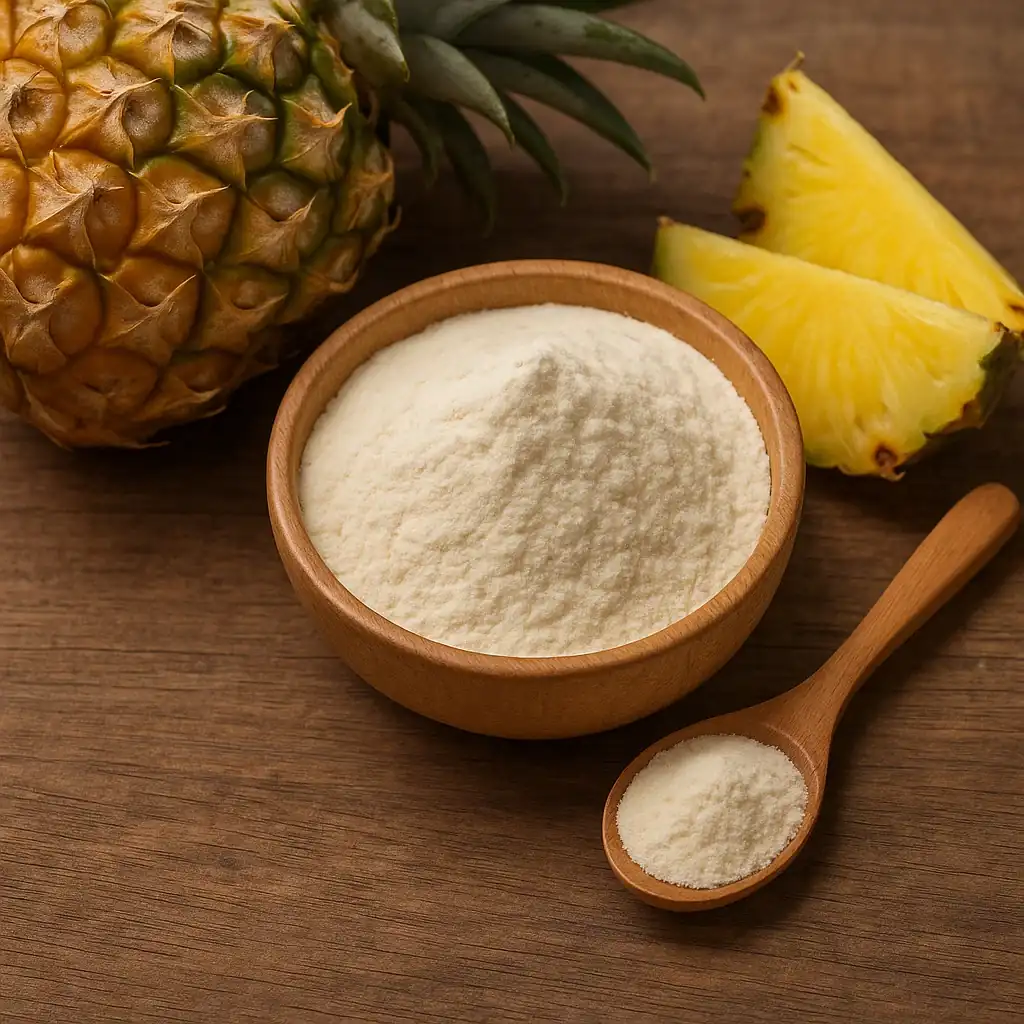 Plant 3 of 5
Bromelain Powder
Ananas comosus stem
An enzyme group taken from pineapple stem, included to support the body’s own normal clearing rather than to dissolve anything.
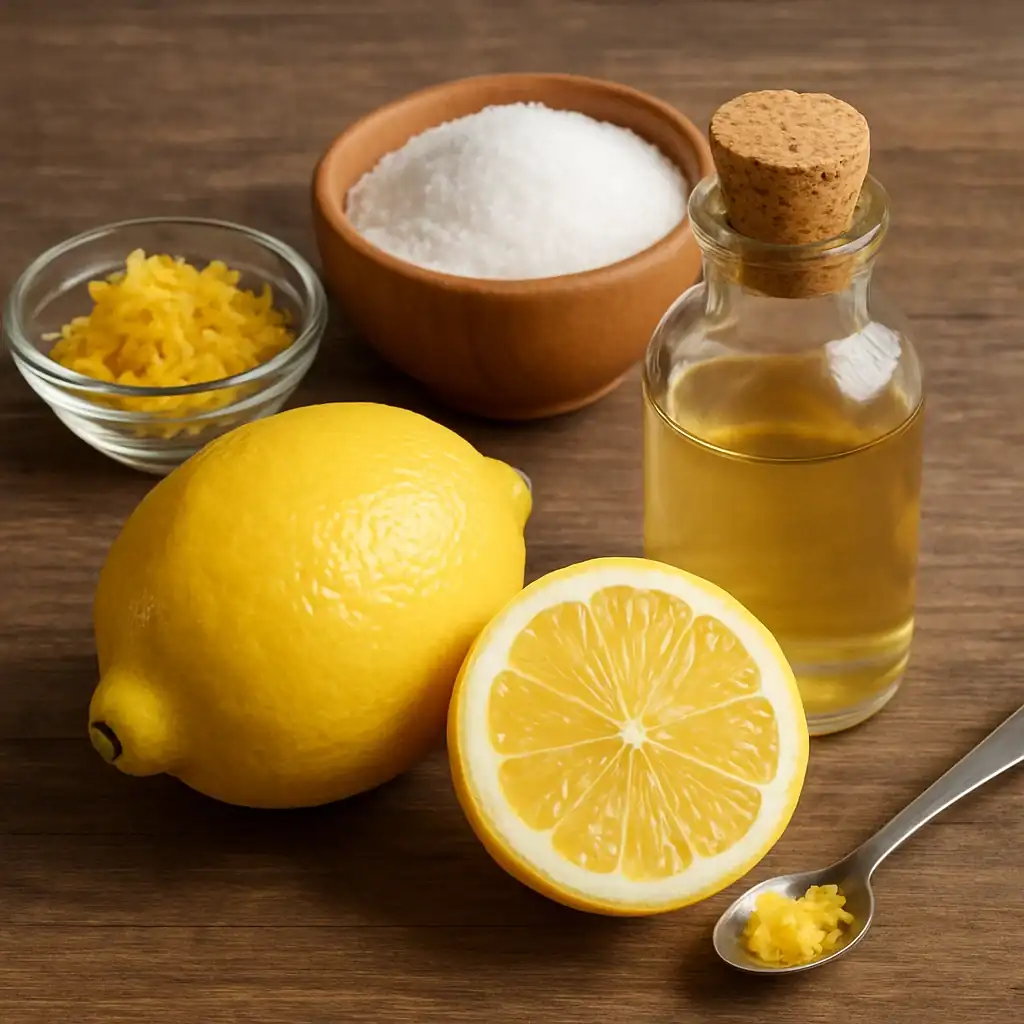 Plant 4 of 5
Organic Lemon Extract
Citrus limon
Citrus for the taste that makes a daily drop pleasant. We do not sell it as a vitamin C claim — the amount is not printed.
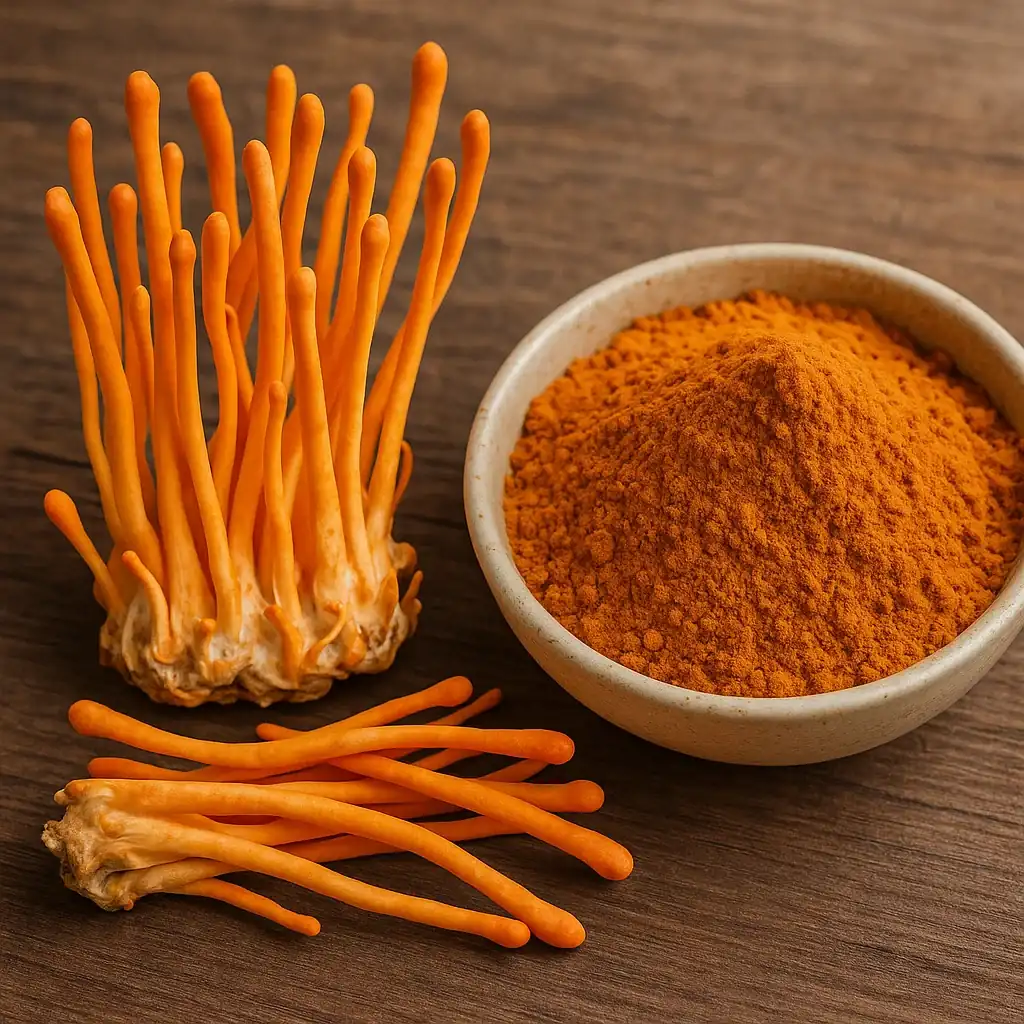 Plant 5 of 5
Organic Cordyceps militaris
Cordyceps militaris
The cultivated high-altitude mushroom tied in Tibetan and Chinese tradition to steady breath. Five human studies since 2017; limited and inconsistent.
What the label prints, and what it does not
Printed: all five plant names, the mullein concentration ratio (10:1), the 154 mg daily blend total, the serving instruction, the 2 fl oz bottle size and the distributor of record (GEK Corp, Lakeland FL 33804).
Not printed: a separate milligram figure for each plant. They sit inside a proprietary blend, which US labelling rules permit — the total must be declared, the individual amounts need not be. So you know the five names and the 154 mg total, and you do not know whether mullein is 100 mg of that or 20 mg.
We publish this ourselves because the alternative is you discovering it in a forum at week six. The full page on the label is here.
Why the total matters
154 mg across five plants is roughly 31 mg each if split evenly — and it is almost certainly not split evenly. Compare that to the doses in published research: ginger trials commonly used 1–2 grams a day, bromelain research typically 500–1,000 mg, cordyceps studies gram-level amounts. Every one of those figures is for a single ingredient.
A 154 mg five-plant blend cannot carry any one of those doses. That makes it gentle and low-risk; it also makes large claims implausible. Both halves of that sentence are true and we print both. The arithmetic in full.
Two safety notes from this list
- Clotting. Ginger and bromelain both affect platelet aggregation. Anyone on warfarin, apixaban, rivaroxaban, clopidogrel or regular aspirin needs prescriber clearance first — the dedicated page walks it
- Pineapple allergy. Bromelain comes from pineapple stem. If pineapple is a problem for you, so is this bottle
What is not in the bottle
No caffeine and no stimulants. No bacopa monnieri, no green tea extract and no citrus peel — three ingredients that appear on some listings using our name but not on our label. And cordyceps militaris, not sinensis: different species, different organism, and it matters.
Five named plants, a printed blend total, and a 60-day guarantee to test it yourself.
Order BreathiZen